Category: Fabrics

  • Cotton

    Cotton

    Cotton fabric is made from fibers that grow around the seeds of the cotton plant. After harvesting, the fibers are cleaned, spun into yarn, and woven or knitted into fabric.

    Cotton is Popular Because it is

    • Soft and comfortable
    • Breathable and lightweight
    • Durable and strong
    • Easy to wash and care for
    • Easy to sew

    History of Cotton

    Cotton has been used to make textiles for thousands of years. Evidence shows cotton fabrics were produced in ancient civilizations in India and the Americas. Today, cotton remains one of the most important textile fibers worldwide.

    Types of Cotton Fabric

    There are many types of cotton fabric used in sewing.

    Cotton poplin – A smooth and lightweight fabric often used for shirts, dresses, and blouses.

    Cotton jersey – A soft knit cotton fabric commonly used for T-shirts and casual clothing.

    Cotton canvas – A strong and heavy cotton fabric used for bags, jackets, and upholstery.

    Cotton muslin – A lightweight cotton fabric often used for sewing practice and pattern testing.

    Cotton denim – Denim is a durable cotton fabric woven in a twill pattern and widely used for jeans and jackets.

    Why sewers love cotton – Cotton is one of the easiest fabrics to work with, especially for beginners.

    Benefits of Cotton Include

    • Easy to cut and handle
    • Holds its shape well
    • Not slippery like silk
    • Presses easily with an iron
    • Available in many prints and colors

    Because of these advantages, cotton is often recommended for first sewing projects.

    Common Uses of Cotton

    • T-shirts and everyday clothing
    • Dresses and skirts
    • Bedding and sheets
    • Quilts and patchwork projects
    • Towels and household textiles
    • Tote bags and accessories

    Its versatility makes cotton one of the most important fabrics in the textile industry.

    Sewing Tips for Cotton Fabric

    Cotton is beginner-friendly, but these tips can help improve your results.

    Use a universal needle – A size 80/12 needle works well for most cotton fabrics.

    Prewash the fabric – Cotton can shrink slightly, so washing it before sewing helps prevent problems later.

    Use standard stitch length – A normal stitch length works well with cotton fabrics.

    Press seams while sewing – Ironing seams as you sew will give your project a cleaner and more professional look.

    • Machine wash with warm or cold water
    • Use regular detergent
    • Tumble dry on low heat
    • Iron if needed
  • Silk

    Silk

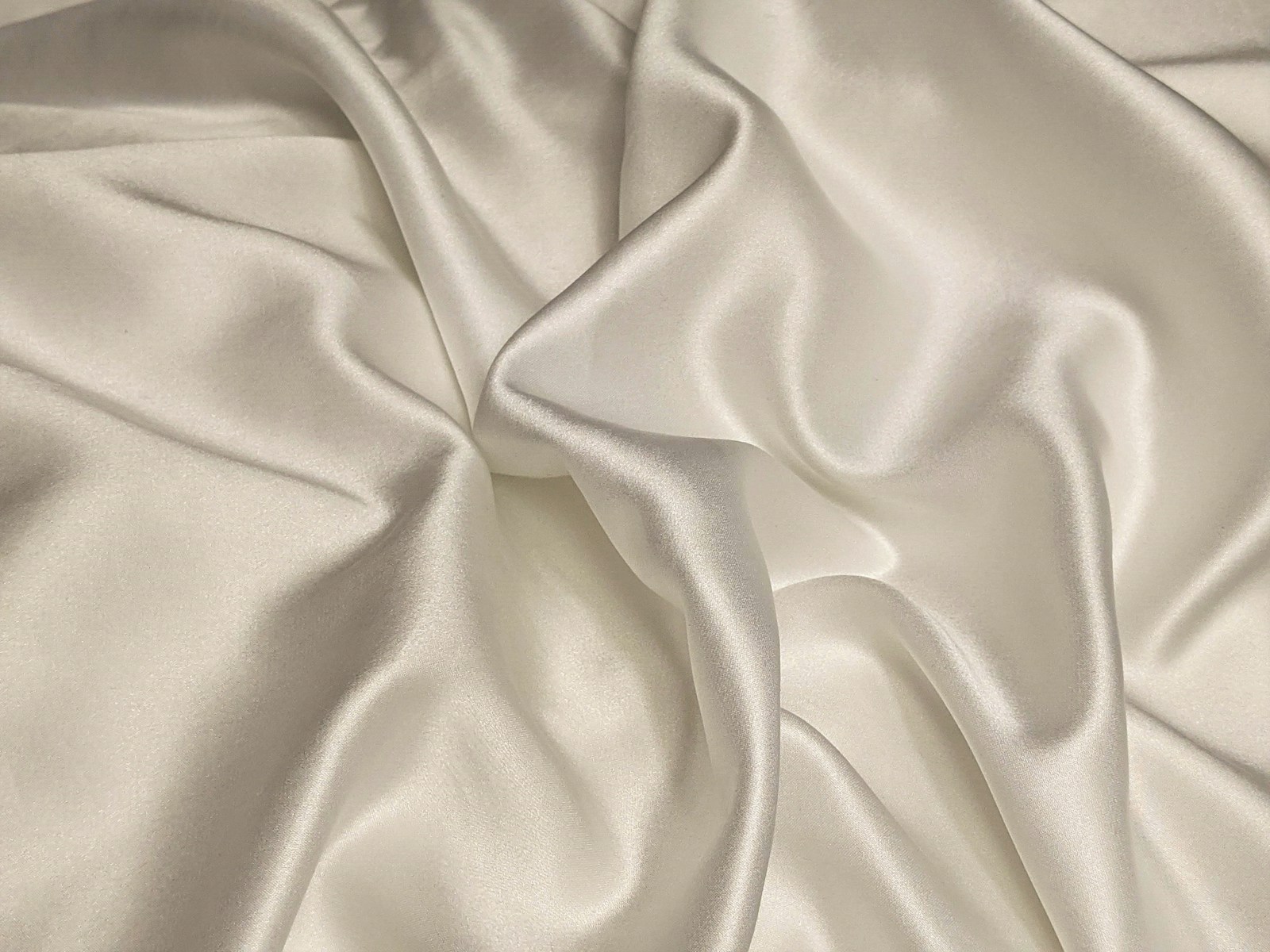
    Silk is one of the most luxurious and elegant fabrics used in sewing and fashion. Known for its smooth texture and natural shine, silk has been valued for thousands of years and is still widely used for high quality clothing and accessories.

    What Is Silk Fabric?

    Silk is a natural protein fiber produced by silkworms when they spin their cocoons. The fibers are carefully unwound and woven into fabric. The most common source of silk comes from the domesticated silkworm Bombyx mori.

    Silk Fabric is prized for its

    • Soft, smooth texture
    • Natural sheen and shine
    • Lightweight feel
    • Breathability and comfort
    • Elegant drape

    Because of these qualities, silk is often used in luxury garments and special occasion clothing.

    Types of Silk Fabric

    There are several types of silk used in sewing and fashion.

    Silk Charmeuse – A soft, smooth silk with a glossy front and matte back. Often used for dresses, blouses, and lingerie.

    Silk Chiffon – A very lightweight and sheer silk fabric. Commonly used for scarves, evening gowns, and layered garments.

    Silk Organza – A crisp, lightweight silk with a slightly stiff texture. Popular for bridal wear and decorative details.

    Silk Dupioni – A textured silk fabric made from uneven threads. Often used for jackets, dresses, and home décor.

    Silk Satin – A smooth and shiny silk fabric with a luxurious feel, commonly used for formal wear.

    The Benefits of Silk

    • Beautiful drape – Garments flow naturally
    • Breathable fabric – Comfortable to wear
    • Temperature regulating – Cool in summer and warm in winter
    • Elegant appearance – Perfect for formal clothing

    Sewing Tips for Silk

    If you plan to sew with silk, a few techniques can make the process easier.

    Use a fine needle – A size 60/8 or 70/10 needle works well for delicate fabrics like silk.

    Choose lightweight thread – Fine polyester or silk thread will create smoother stitches.

    Use sharp fabric scissors – Silk frays easily, so sharp scissors help create clean edges.

    Pin carefully – Use very fine pins to avoid leaving visible holes in the fabric.

    Sew slowly – Because silk is slippery, sewing slowly helps keep the fabric aligned.

    Silk is used in many types of garments and textile products, including

    • Dresses and evening gowns
    • Blouses and shirts
    • Scarves and shawls
    • Lingerie and sleepwear
    • Bridal clothing
    • Luxury bedding

    Its softness and elegance make it one of the most desirable fabrics in fashion.

    Caring for Silk Fabric

    Silk requires gentle care to maintain its quality.

    Basic care tips include

    • Hand wash in cold water or dry clean
    • Use mild detergent
    • Avoid wringing the fabric
    • Air dry away from direct sunlight
    • Iron on low heat if needed

    Tips for Beginners

    Silk can also be more challenging to sew because it is delicate and slippery.

  • Denim

    Denim

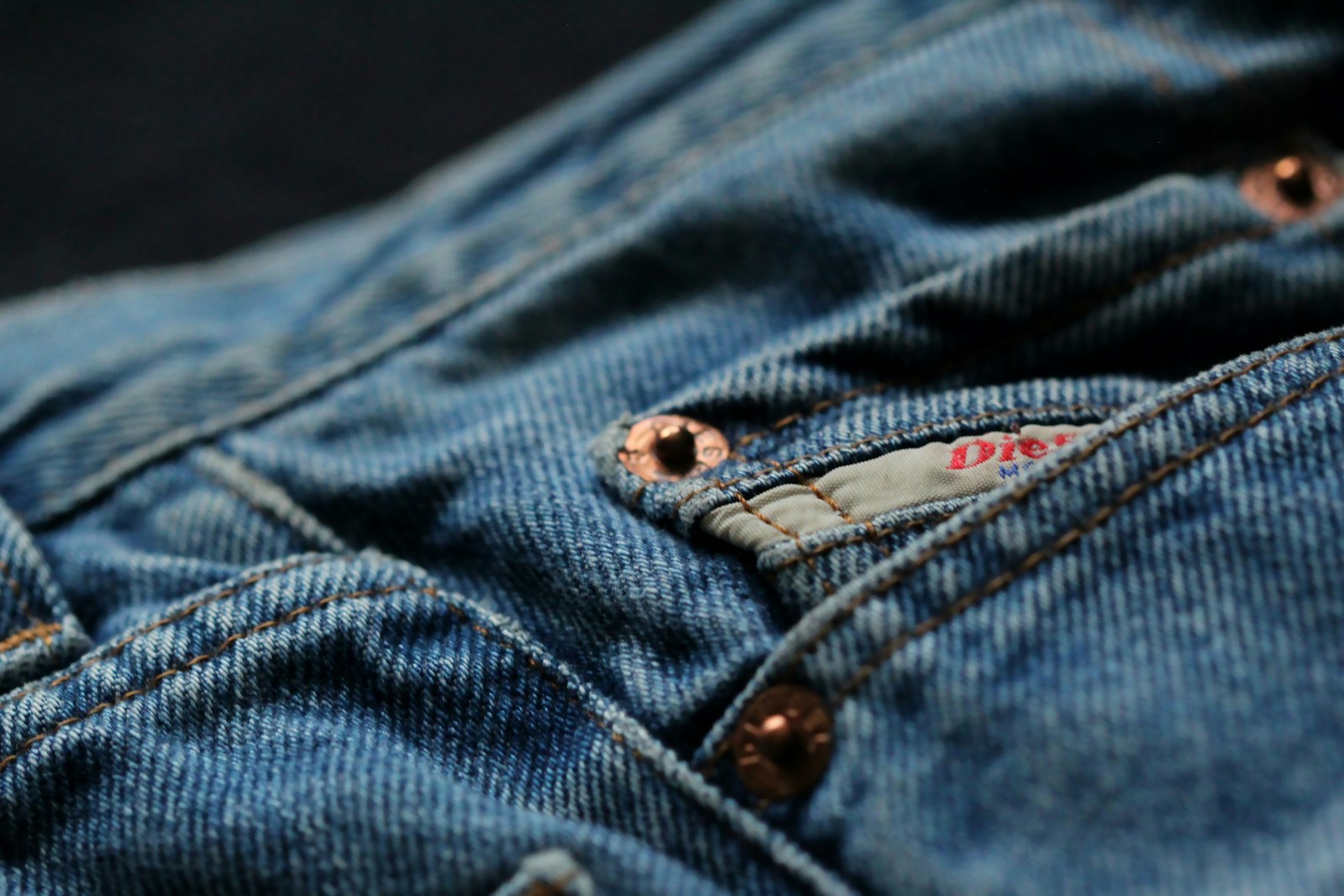
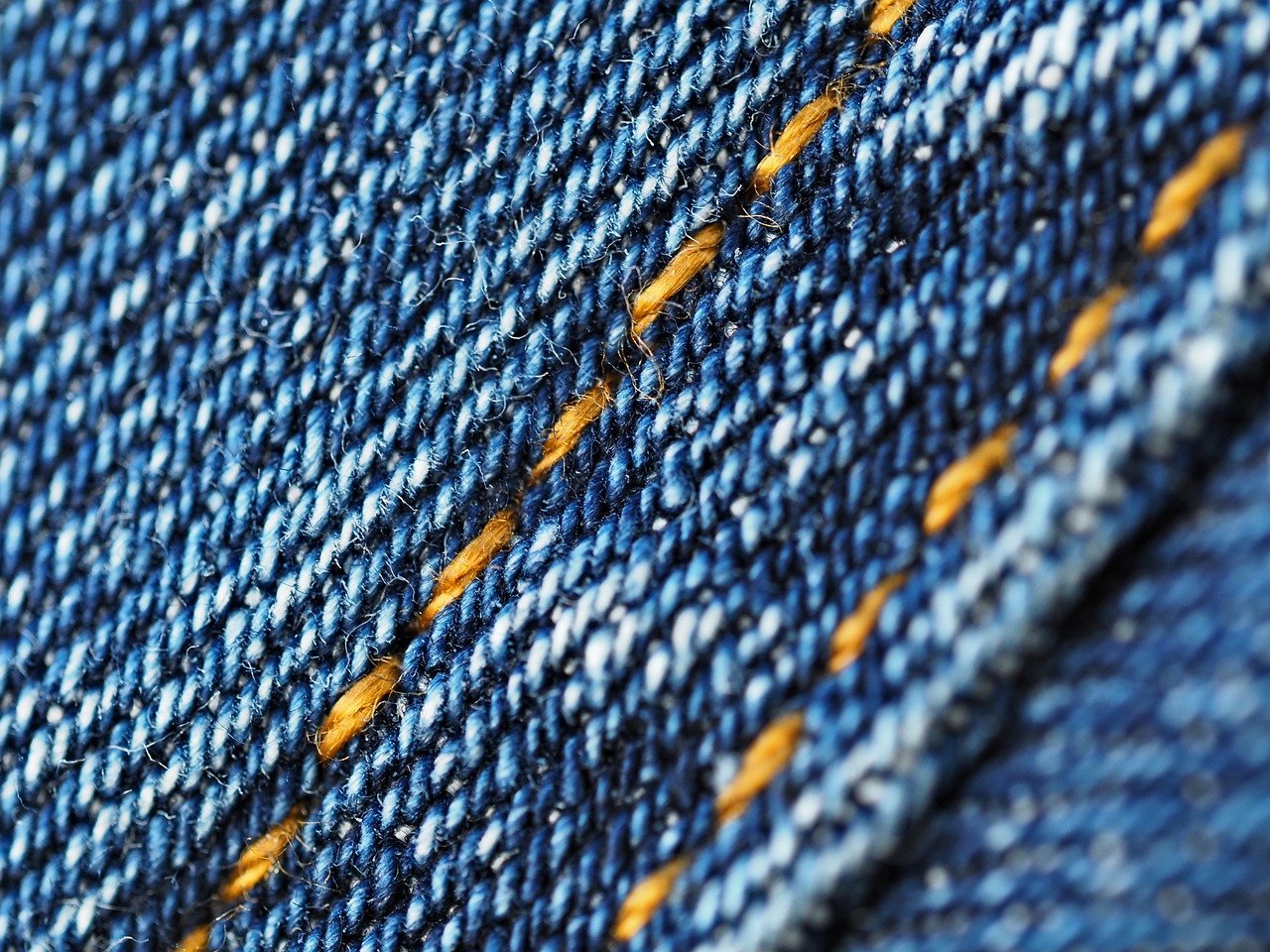
    Denim is a strong cotton fabric woven in a twill pattern, recognised by its diagonal ribbed texture. Traditionally, denim is made with blue/indigo dyed warp and white weft threads, which gives it its iconic and recognisable blue outside and lighter inside appearance.

    Denim is a durable, strong, and timeless fabric, which is why it is frequently used to make jeans, jackets, skirts, bags, and much more

    Where Denim Comes From

    Denim is originally from France, Nîmes, which, in the 19th century, denim became popular in the United States when Jacob Davis and Levi Strauss used it to create durable work pants for workers. Because the fabric could withstand heavy wear, it quickly became a staple material for workwear and later evolved into a fashion icon.

    Types of Denim Fabric

    The variations of denim used in sewing and fashion:

    Raw denim – Untreated denim that hasn’t been washed after dyeing. Stiff at first but softens over time.

    Stretch denim – Contains a small percentage of elastane or spandex for flexibility and comfort.

    Selvedge denim – High quality denim woven on traditional shuttle looms, with clean finished edges.

    Washed denim – Pre washed during manufacturing to make the fabric softer and reduce shrinkage.

    Coloured denim – Dyed in colours other than traditional indigo.

    These variations allow designers and sewers to create many different styles of clothing.

    Denim Fabric Weight

    Denim comes in different weights. The weights in denim make a big difference in sewing and can drastically change the look you’re going for.

    • Lightweight denim – About 170–225 g/m²
    • Medium weight denim – About 255–340 g/m²
    • Heavyweight denim – About 370 g/m² +

    Choosing the right weight helps ensure better results when sewing with denim.

    Denim is a Versatile Fabric Used for Many Products, Including

    • Jeans and trousers
    • Jackets and coats
    • Skirts and dresses
    • Shirts and tops
    • Bags and accessories
    • Home décor items

    Tips for Beginners

    • Use a denim or jeans needle (size 90–100)
    • Choose strong polyester or heavy-duty thread
    • Sew slowly over thick seams
    • Use a longer stitch length
    • Finish edges to prevent fraying

    These techniques help avoid skipped stitches and make sewing thick denim layers easier.

  • Stretchy Fabric

    Stretchy Fabric

    Stretch fabric is any material that can expand and recover its shape. This stretch usually comes from special fibers like spandex blended with other fabrics such as cotton or polyester.

    Stretch fabrics are commonly used in clothing that needs flexibility, comfort, and movement.

    Types of Stretch Fabric

    Cotton Jersey – A soft knit fabric that stretches slightly. It is commonly used for T-shirts, dresses, and casual clothing.

    Spandex – An extremely stretchy synthetic fiber often blended with other fabrics to add elasticity.

    Stretch Denim – Contains a small amount of elastane, allowing jeans and other garments to stretch and feel more comfortable.

    Lycra Blends – A well known brand of elastane fiber used in many stretchy fabrics such as activewear and swimwear.

    Knit Fabrics – Most stretchy fabrics are knit fabrics, meaning the threads are looped together rather than woven. This structure allows the fabric to stretch naturally.

    Why Stretch Fabrics Are Popular

    • Comfortable to wear
    • Allows easy movement
    • Fits the body better
    • Wrinkles less than many woven fabrics

    Because of these benefits, stretch fabrics are widely used in everyday clothing.

    Common Uses of Stretch Fabric

    • T-shirts
    • Leggings
    • Activewear
    • Underwear
    • Swimwear
    • Fitted dresses
    • Stretch jeans

    Their flexibility makes them ideal for clothing that needs to move with the body.

    Sewing Tips for Stretch Fabrics

    Stretch fabrics can be slightly tricky for beginners, but the right techniques make them easier to sew.

    Use a ballpoint needle – Ballpoint needles slide between the knit fibers instead of piercing them, which helps prevent damage.

    Use a stretch or zigzag stitch – A straight stitch can break when the fabric stretches. A zigzag stitch allows the seam to stretch.

    Do not pull the fabric – Let the sewing machine move the fabric. Pulling it can stretch the fabric unevenly.

    Use clips instead of pins – Fabric clips can help hold stretchy fabric without distorting it.

    Sew slowly – Sewing at a slower speed gives you better control of the fabric.

Welcome.. to the World of Sewing!