Category: How to – Beginners Sewing Guide

  • Step 6: Start Your First Sewing Project

    Step 6: Start Your First Sewing Project

    Start Your First Sewing Project

    Your first sewing project should be simple and quick.

    Good Beginner Projects Are

    • Pillow cover
    • Tote bag
    • Simple apron
    • Fabric napkins

    These projects help you practice sewing without complicated patterns.

    Beginner Tip

    Choose cotton fabric for your first project. It is easier to sew than stretchy or slippery fabrics, and you’ll only need to use a straight stitch.

    The most important thing not to forget is to turn your fabric inside out before you start to sew. After all the stitching is done, turn it back inside out in order to hide the stitches.

  • Step 5: Learn Sewing Techniques

    Step 5: Learn Sewing Techniques

    Learn Basic Sewing Techniques

    Once you can sew straight lines, it’s time to learn a few simple techniques.

    Important Techniques to Know

    • Backstitching – Reinforces the start and end of seams
    • this is done by pressing the backwards arrow on your sewing machine while you sew
    • Seam allowance – The space between stitching and fabric edge
    • Pinning fabric – Keeps fabric layers aligned

    Beginner Tip

    Most sewing patterns use a 1.5 cm (⅝ inch) seam allowance, so get used to measuring this distance.

    However, as a beginner, it is easier to work with a 2.0 cm allowance as it’s easier to work with in case you make mistake

  • Step 4: Practice Stitching

    Step 4: Practice Stitching

    Practice Basic Stitches

    Before making clothing or projects, practice sewing straight lines.

    Simple Practice Exercise

    Take a scrap piece of fabric and try sewing

    • Straight lines
    • Curved lines
    • Squares
    • Zigzag stitches

    This helps you learn how to control the fabric and machine speed.

    Beginner Tip

    Focus on guiding the fabric, not pushing it. The machine will move the fabric for you.

    Straight stitches are the easiest and fastest to use, but not advised to use on stretchy fabric as they may break when the fabric is stretched.

  • Step 3: How to Thread Your Machine

    Step 3: How to Thread Your Machine

    Learn How to Thread Your Sewing Machine

    Threading your machine correctly is very important. If the thread is not set properly, your stitches may break, tangle or worse, the needle may break.

    Basic Threading Process

    1. Place the thread spool on the spool pin
    2. Pull the thread through the thread guides
    3. Thread the needle from front to back
    4. Wind and insert the bobbin
    5. Pull both threads under the presser foot

    Beginner Tip

    Always thread the machine with the presser foot raised. This allows the thread to sit properly in the tension discs.

  • Step 2: Gather Basic Sewing Supplies

    Step 2: Gather Basic Sewing Supplies

    Step 2: Gather Basic Sewing Supplies

    Before starting your first project, you need a few essential sewing tools.

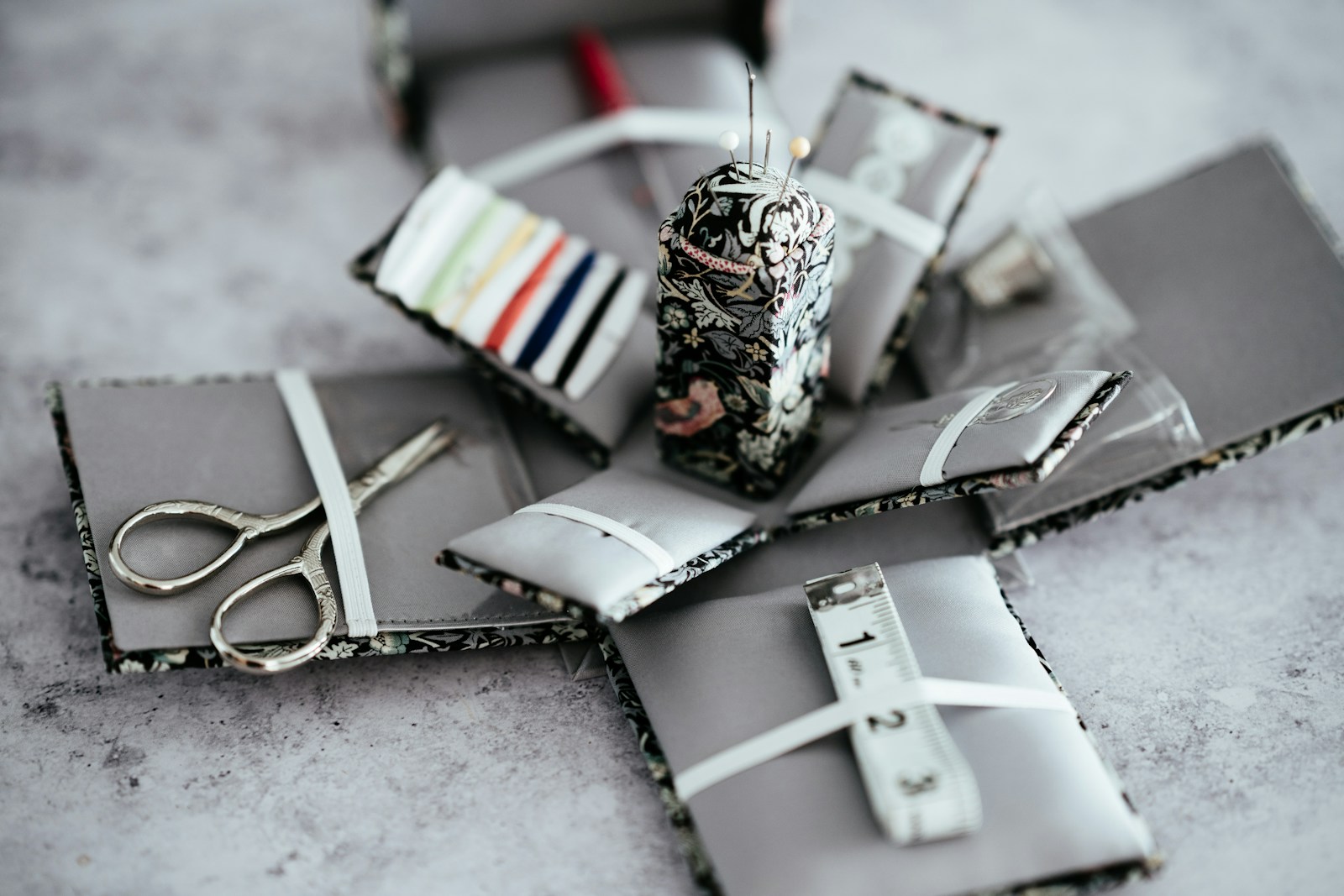
    Basic Sewing Tools

    • Sewing machine
    • Fabric scissors
    • Pins or clips
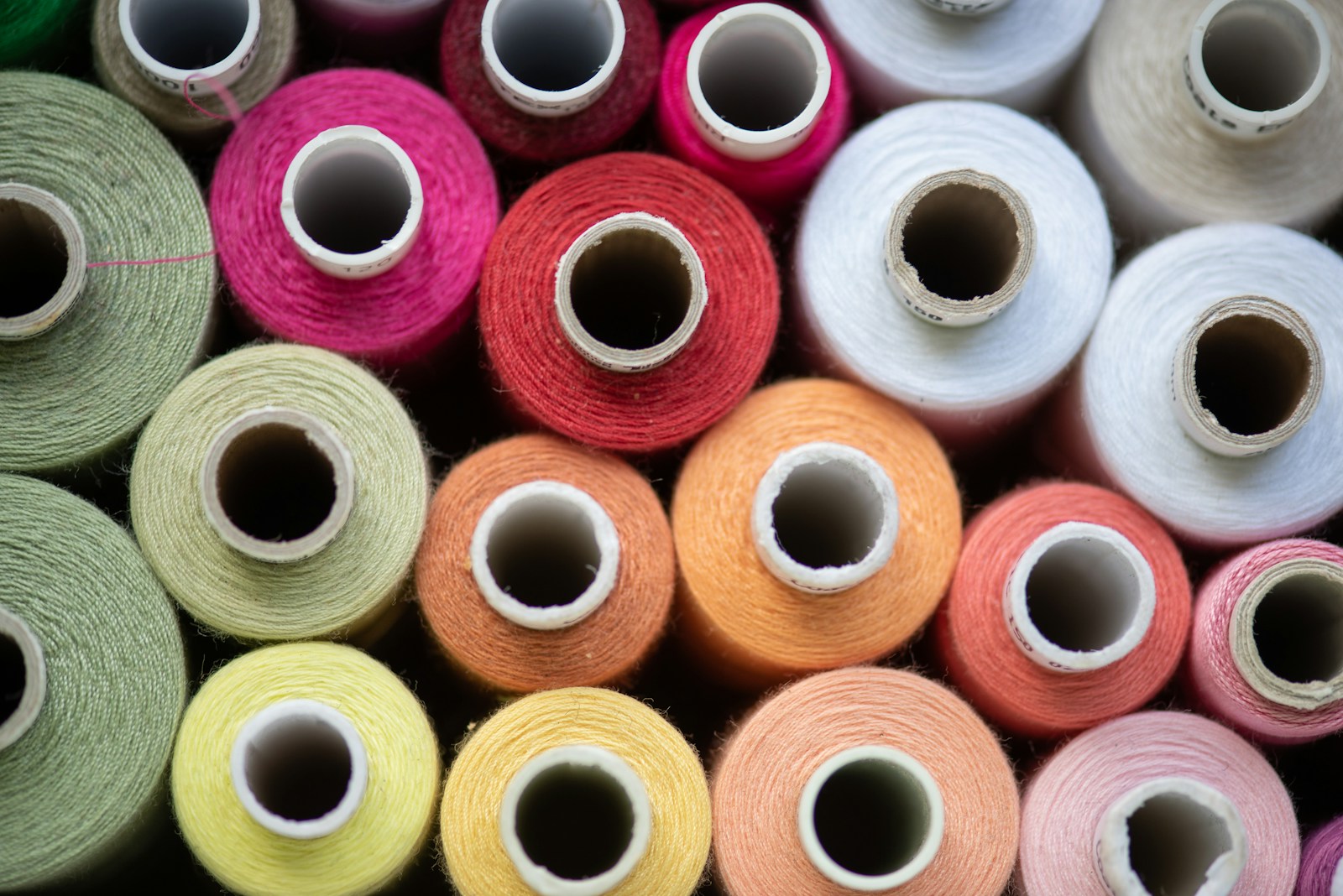
    • Thread
    • Measuring tape
    • Seam ripper
    • Fabric chalk or marker

    Beginner Tip

    The scissors to be used must be specifically designed for sewing purposes, otherwise it won’t cut the fabric very well, and cutting paper with fabric scissors will dull the blades quickly.

  • Step 1: Get To Know Your Machine

    Step 1: Get To Know Your Machine

    Step 1: Get to Know Your Sewing Machine

    If you are new to sewing, the first step is learning the basic parts of your sewing machine and how they work together. Understanding your machine will make the rest of the sewing process much easier.

    Important Parts of a Sewing Machine

    • Needle – Pushes thread through the fabric
    • Presser foot – Holds the fabric in place while sewing
    • Feed dogs – Move the fabric forward under the needle
    • Bobbin – Provides the lower thread
    • Spool pin – Holds the main thread spool
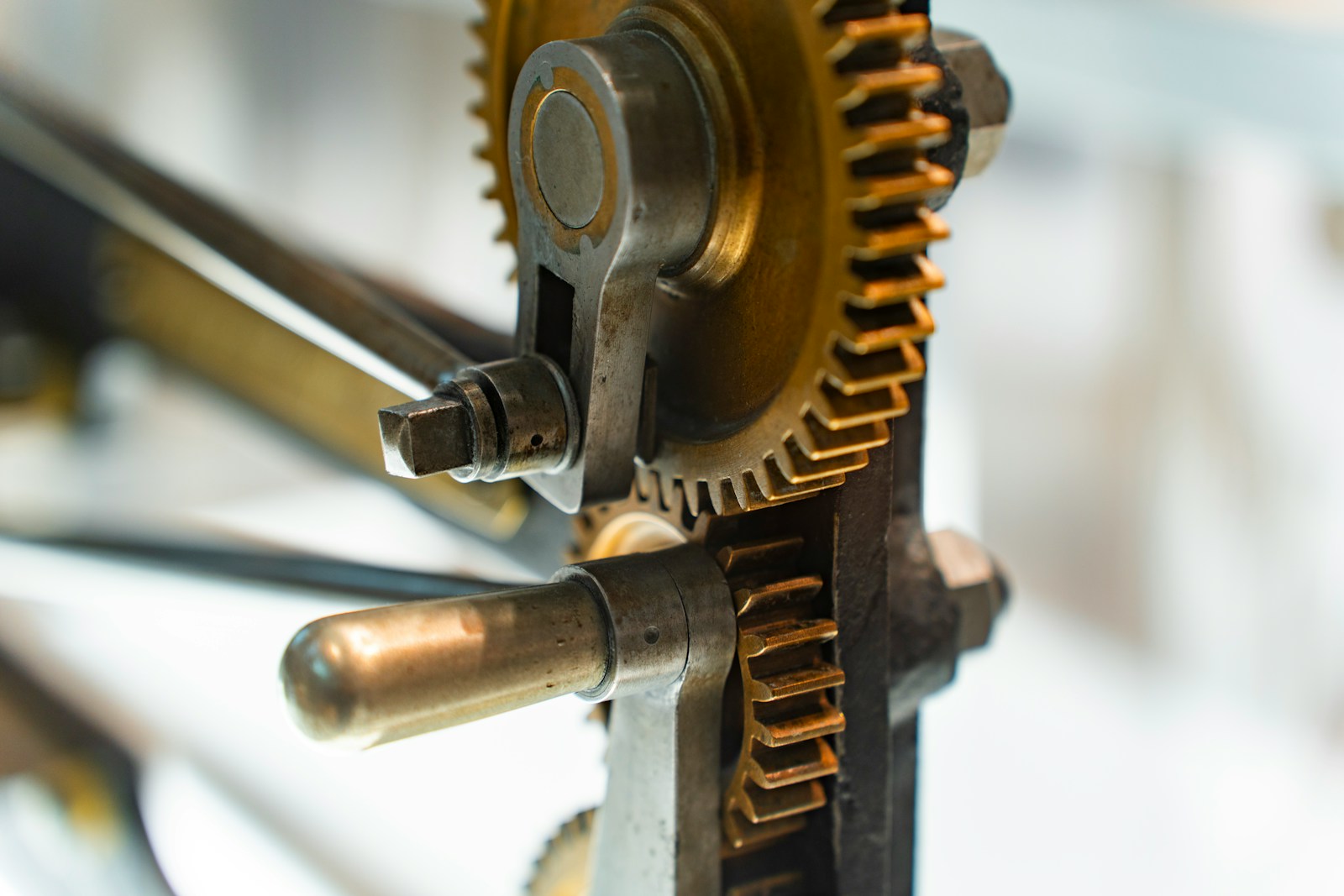
    • Hand wheel – Manually raises and lowers the needle

    Beginner Tip

    Before sewing, turn the machine on and practice moving the needle using the hand wheel. This helps you understand how the machine works.

Welcome.. to the World of Sewing!