Author: Pauline Daneels

  • Step 3: How to Thread Your Machine

    Step 3: How to Thread Your Machine

    Learn How to Thread Your Sewing Machine

    Threading your machine correctly is very important. If the thread is not set properly, your stitches may break, tangle or worse, the needle may break.

    Basic Threading Process

    1. Place the thread spool on the spool pin
    2. Pull the thread through the thread guides
    3. Thread the needle from front to back
    4. Wind and insert the bobbin
    5. Pull both threads under the presser foot

    Beginner Tip

    Always thread the machine with the presser foot raised. This allows the thread to sit properly in the tension discs.

  • Step 2: Gather Basic Sewing Supplies

    Step 2: Gather Basic Sewing Supplies

    Step 2: Gather Basic Sewing Supplies

    Before starting your first project, you need a few essential sewing tools.

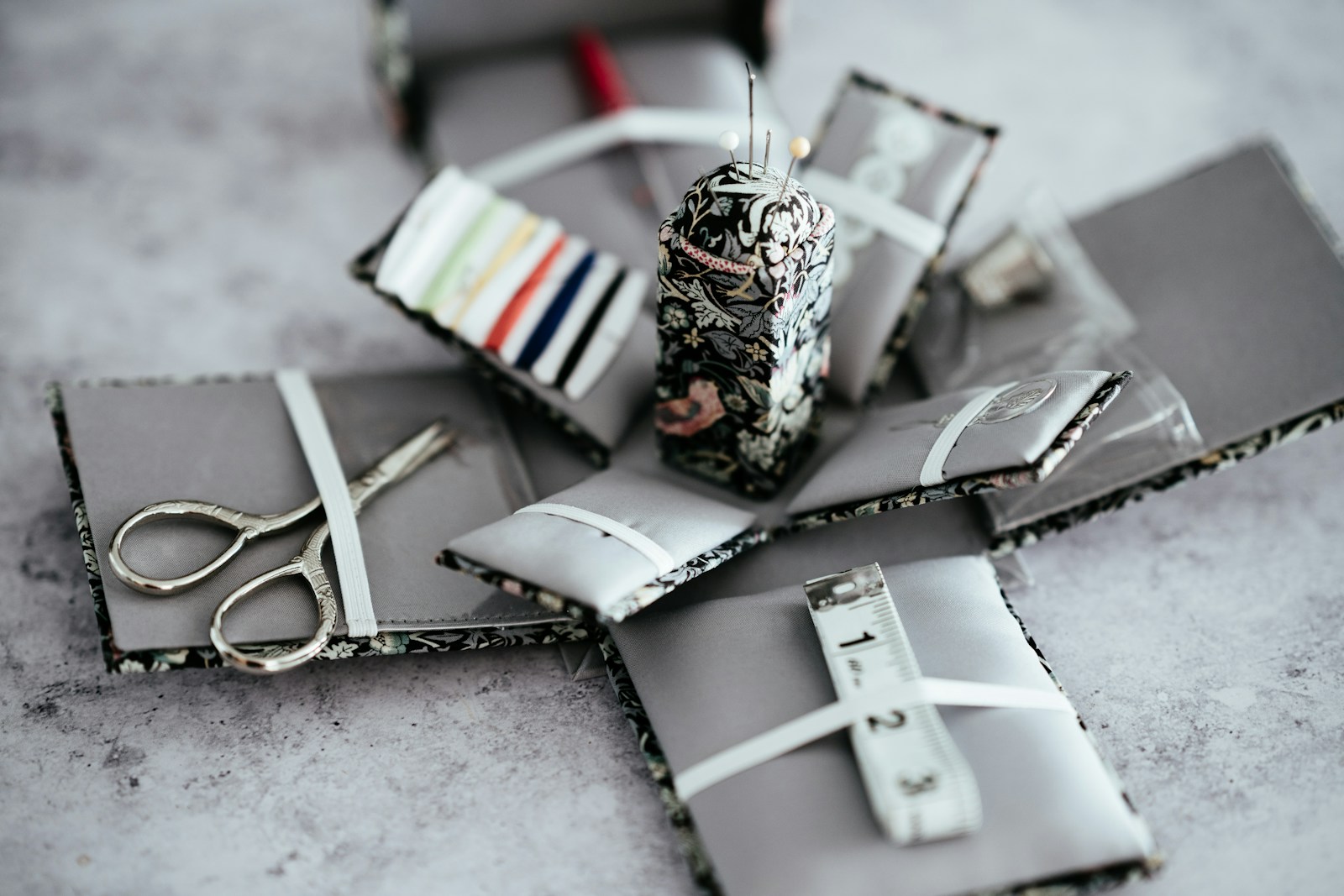
    Basic Sewing Tools

    • Sewing machine
    • Fabric scissors
    • Pins or clips
    • Thread
    • Measuring tape
    • Seam ripper
    • Fabric chalk or marker

    Beginner Tip

    The scissors to be used must be specifically designed for sewing purposes, otherwise it won’t cut the fabric very well, and cutting paper with fabric scissors will dull the blades quickly.

  • Step 1: Get To Know Your Machine

    Step 1: Get To Know Your Machine

    Step 1: Get to Know Your Sewing Machine

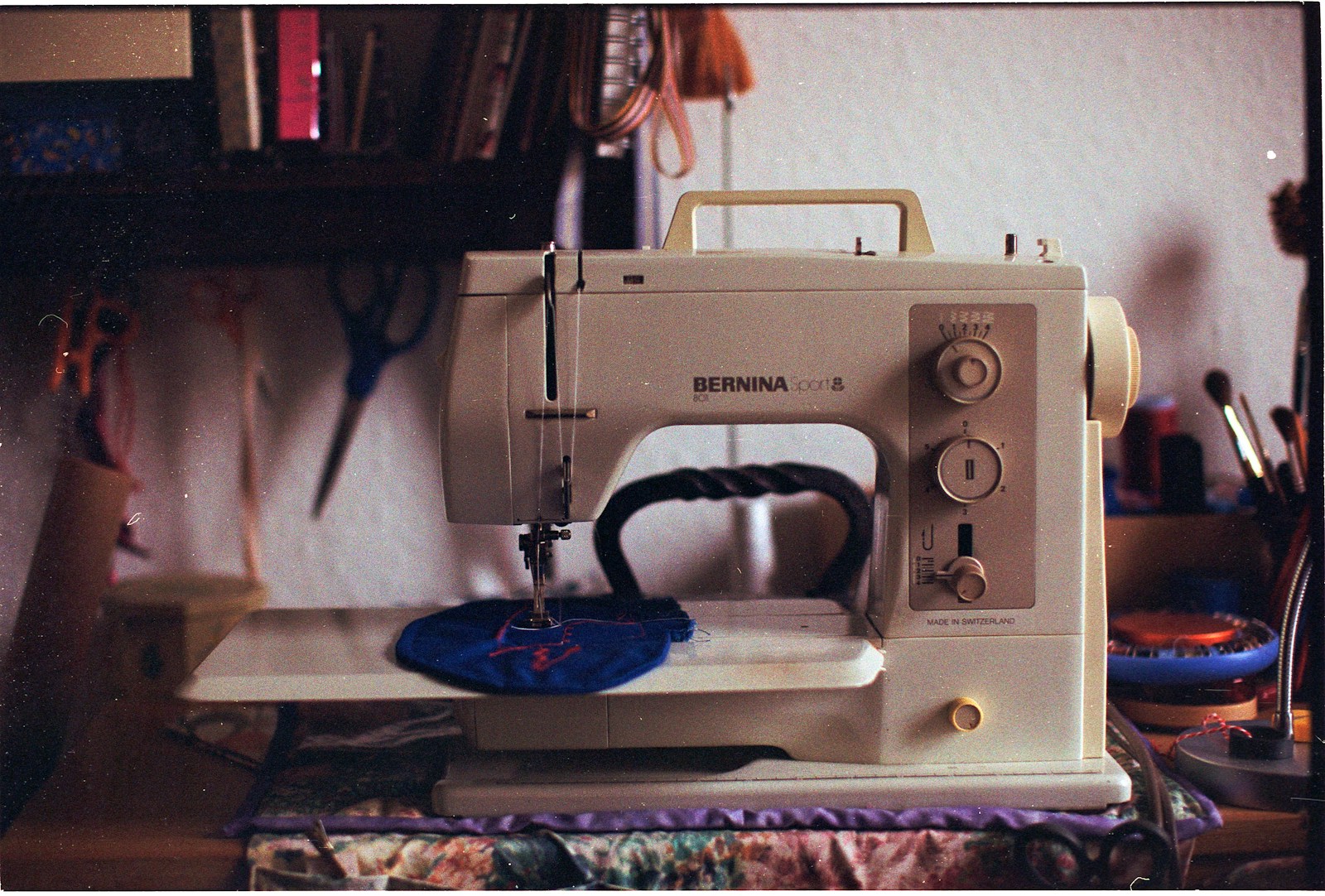
    If you are new to sewing, the first step is learning the basic parts of your sewing machine and how they work together. Understanding your machine will make the rest of the sewing process much easier.

    Important Parts of a Sewing Machine

    • Needle – Pushes thread through the fabric
    • Presser foot – Holds the fabric in place while sewing
    • Feed dogs – Move the fabric forward under the needle
    • Bobbin – Provides the lower thread
    • Spool pin – Holds the main thread spool
    • Hand wheel – Manually raises and lowers the needle

    Beginner Tip

    Before sewing, turn the machine on and practice moving the needle using the hand wheel. This helps you understand how the machine works.

  • Denim

    Denim

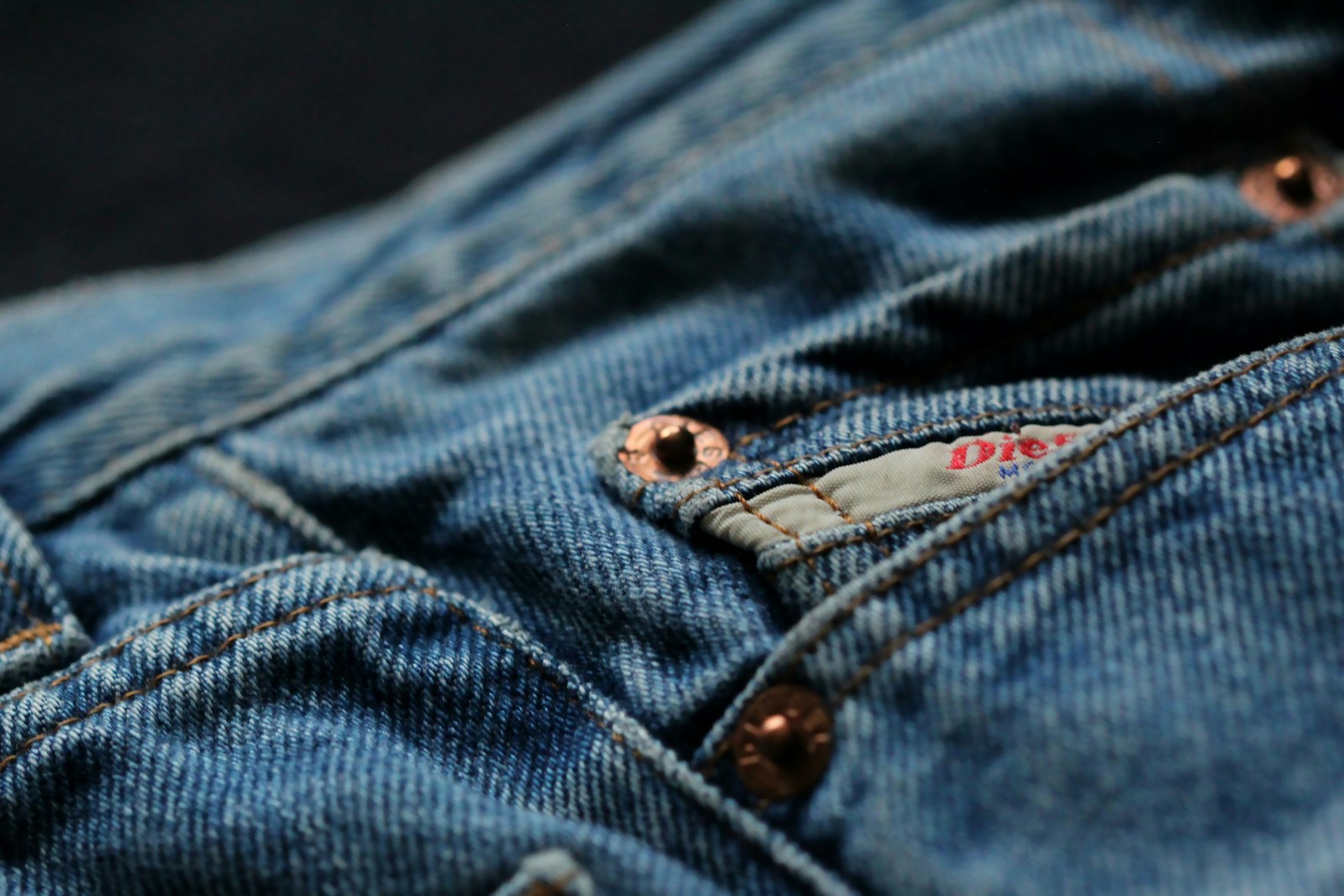
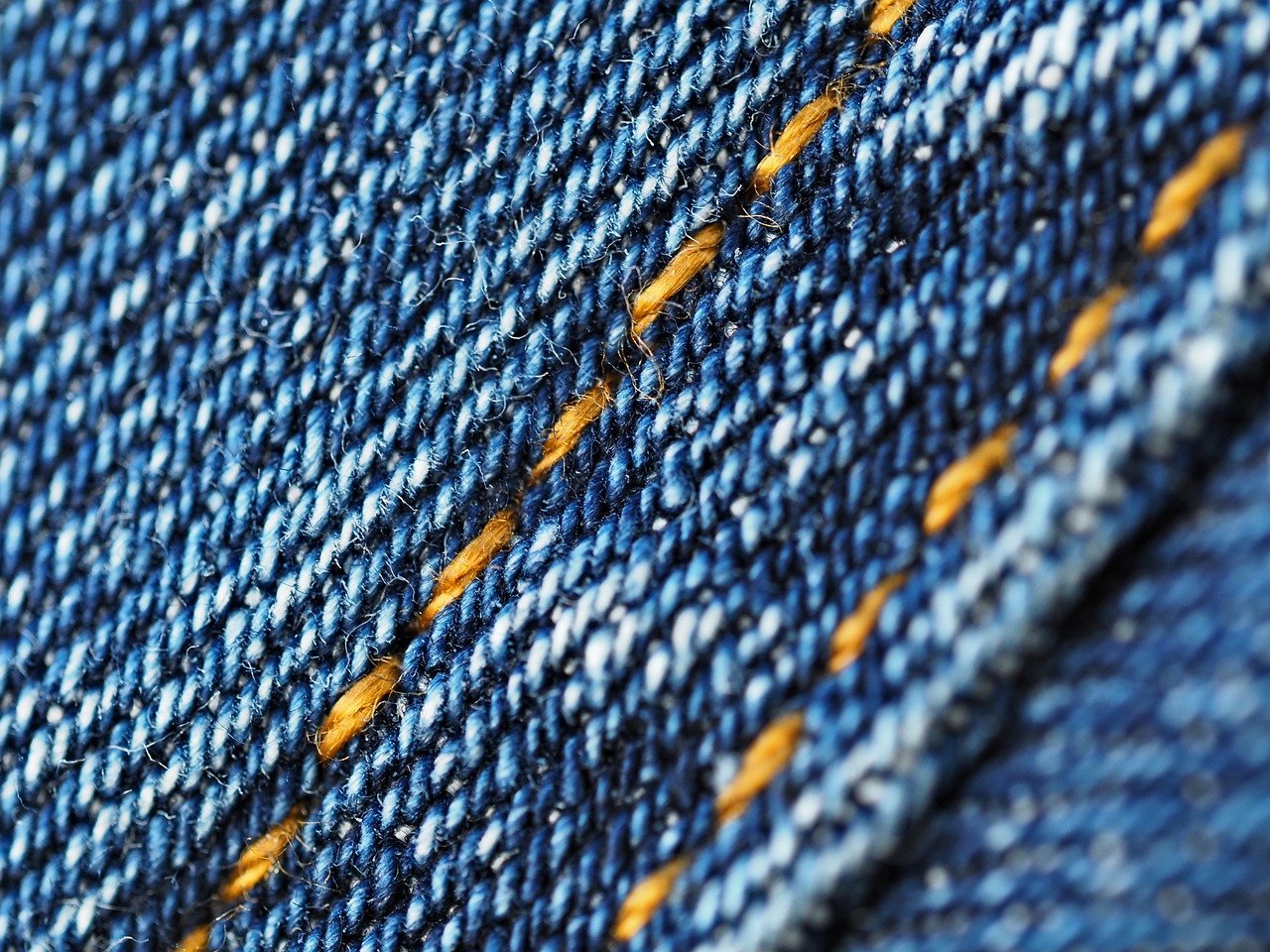
    Denim is a strong cotton fabric woven in a twill pattern, recognised by its diagonal ribbed texture. Traditionally, denim is made with blue/indigo dyed warp and white weft threads, which gives it its iconic and recognisable blue outside and lighter inside appearance.

    Denim is a durable, strong, and timeless fabric, which is why it is frequently used to make jeans, jackets, skirts, bags, and much more

    Where Denim Comes From

    Denim is originally from France, Nîmes, which, in the 19th century, denim became popular in the United States when Jacob Davis and Levi Strauss used it to create durable work pants for workers. Because the fabric could withstand heavy wear, it quickly became a staple material for workwear and later evolved into a fashion icon.

    Types of Denim Fabric

    The variations of denim used in sewing and fashion:

    Raw denim – Untreated denim that hasn’t been washed after dyeing. Stiff at first but softens over time.

    Stretch denim – Contains a small percentage of elastane or spandex for flexibility and comfort.

    Selvedge denim – High quality denim woven on traditional shuttle looms, with clean finished edges.

    Washed denim – Pre washed during manufacturing to make the fabric softer and reduce shrinkage.

    Coloured denim – Dyed in colours other than traditional indigo.

    These variations allow designers and sewers to create many different styles of clothing.

    Denim Fabric Weight

    Denim comes in different weights. The weights in denim make a big difference in sewing and can drastically change the look you’re going for.

    • Lightweight denim – About 170–225 g/m²
    • Medium weight denim – About 255–340 g/m²
    • Heavyweight denim – About 370 g/m² +

    Choosing the right weight helps ensure better results when sewing with denim.

    Denim is a Versatile Fabric Used for Many Products, Including

    • Jeans and trousers
    • Jackets and coats
    • Skirts and dresses
    • Shirts and tops
    • Bags and accessories
    • Home décor items

    Tips for Beginners

    • Use a denim or jeans needle (size 90–100)
    • Choose strong polyester or heavy-duty thread
    • Sew slowly over thick seams
    • Use a longer stitch length
    • Finish edges to prevent fraying

    These techniques help avoid skipped stitches and make sewing thick denim layers easier.
  • Stretchy Fabric

    Stretchy Fabric

    Stretch fabric is any material that can expand and recover its shape. This stretch usually comes from special fibers like spandex blended with other fabrics such as cotton or polyester.

    Stretch fabrics are commonly used in clothing that needs flexibility, comfort, and movement.

    Types of Stretch Fabric

    Cotton Jersey – A soft knit fabric that stretches slightly. It is commonly used for T-shirts, dresses, and casual clothing.

    Spandex – An extremely stretchy synthetic fiber often blended with other fabrics to add elasticity.

    Stretch Denim – Contains a small amount of elastane, allowing jeans and other garments to stretch and feel more comfortable.

    Lycra Blends – A well known brand of elastane fiber used in many stretchy fabrics such as activewear and swimwear.

    Knit Fabrics – Most stretchy fabrics are knit fabrics, meaning the threads are looped together rather than woven. This structure allows the fabric to stretch naturally.

    Why Stretch Fabrics Are Popular

    • Comfortable to wear
    • Allows easy movement
    • Fits the body better
    • Wrinkles less than many woven fabrics

    Because of these benefits, stretch fabrics are widely used in everyday clothing.

    Common Uses of Stretch Fabric

    • T-shirts
    • Leggings
    • Activewear
    • Underwear
    • Swimwear
    • Fitted dresses
    • Stretch jeans

    Their flexibility makes them ideal for clothing that needs to move with the body.

    Sewing Tips for Stretch Fabrics

    Stretch fabrics can be slightly tricky for beginners, but the right techniques make them easier to sew.

    Use a ballpoint needle – Ballpoint needles slide between the knit fibers instead of piercing them, which helps prevent damage.

    Use a stretch or zigzag stitch – A straight stitch can break when the fabric stretches. A zigzag stitch allows the seam to stretch.

    Do not pull the fabric – Let the sewing machine move the fabric. Pulling it can stretch the fabric unevenly.

    Use clips instead of pins – Fabric clips can help hold stretchy fabric without distorting it.

    Sew slowly – Sewing at a slower speed gives you better control of the fabric.

  • Singer

    Singer

    Singer is one of the most well known sewing machine brands in the world. Founded in 1851, Singer helped make sewing machines accessible to households around the globe.

    Key Features of Singer

    • Affordable pricing
    • Simple controls for beginners
    • Wide availability of models
    • Good variety of stitches

    Singer Machines Are Often Recommended For

    • Beginners learning to sew
    • Casual home sewing
    • Small projects and repairs

    Common Singer Models Include

    • Singer Heavy Duty 4423
    • Singer Start 1304
    • Singer Quantum Stylist 9960

    Singer machines are widely available and are a great entry point for people starting their sewing journey.

  • Bernina

    Bernina

    Bernina is a premium sewing machine brand known for its precision, durability, and high quality engineering.

    The company was founded in Switzerland in 1893 and has built a strong reputation for producing reliable machines for both home and professional use.

    Features Bernina’s Are Known For

    • Extremely precise stitching
    • Durable metal construction
    • Advanced stitch control
    • High quality embroidery options
    • Long machine lifespan

    Bernina Machines Are Ideal For

    • Experienced sewists
    • Quilters
    • Professional dressmakers
    • People who want a long term investment machine

    Some popular Bernina machines include

    • Bernina 325
    • Bernina 475 QE
    • Bernina 770 QE

    While Bernina machines are often more expensive than other brands, many sewers appreciate their excellent stitch quality and durability.

    Tip For Beginners

    Bernina is not advised to be purchased by beginners as they are more complicated machines and quite expensive.

Welcome.. to the World of Sewing!