Author: Pauline Daneels

  • Why Neutral Colours Are Important in Design

    Why Neutral Colours Are Important in Design

    Neutral colours play an important role in design, even though they may seem simple at first. Colours such as white, black, grey, and beige help balance stronger colours and create a clean and organised look.

    One of the biggest advantages of neutral colours is that they work well with almost any other colour. Designers often use neutral backgrounds so that brighter colours stand out more clearly. This helps highlight important elements such as images, headings, or buttons.

    Neutral colours also create a modern and minimalistic appearance. Many modern websites use white or light grey backgrounds to make the content feel open and easy to read. This approach improves user experience and keeps the design from feeling cluttered.

    Another benefit is that neutral colours help maintain visual balance. When a design includes bright or bold colours, neutral tones can calm the overall appearance and make the design more comfortable to look at.

    Because of their flexibility and simplicity, neutral colours are a key element in many successful design projects. When used correctly, they support other colours and help create a polished and professional result.

  • Common Colour Matching Mistakes Designers Should Avoid

    Common Colour Matching Mistakes Designers Should Avoid

    Even experienced designers sometimes make mistakes when choosing colours. Poor colour choices can make a design look unprofessional and difficult to read. Understanding common colour matching mistakes can help improve the overall quality of a design.

    One common mistake is using too many colours. When a design includes too many different colours, it can feel chaotic and overwhelming. Limiting the design to a small palette helps keep everything visually balanced.

    Another mistake is low contrast between text and background. For example, light grey text on a white background can be very difficult to read. Designers should always make sure there is enough contrast so users can easily read the content.

    Many beginners also choose colours that clash with each other. Bright colours that do not complement each other can make a design look unpleasant. Using a colour wheel can help designers find combinations that work well together.

    Finally, ignoring accessibility is another common problem. Some colour combinations may be difficult for people with visual impairments or colour blindness. Designers should test their colours to ensure everyone can comfortably view the content.

    Avoiding these mistakes can help create designs that are cleaner, more professional, and easier to use.

  • How Colours Influence Emotion in Design

    How Colours Influence Emotion in Design

    Colours play an important role in how people feel when they see a design. This is known as colour psychology, and it is often used in branding, marketing, and website design.

    Different colours can create different emotional reactions. For example, blue is often associated with trust, calmness, and professionalism. This is why many technology companies and banks use blue in their branding.

    Red is a very strong and energetic colour. It can represent passion, excitement, and urgency. Because of this, red is often used for important buttons, sales promotions, or calls-to-action.

    Yellow is commonly linked to happiness, optimism, and creativity. It can attract attention quickly, but it should be used carefully because too much yellow can feel overwhelming.

    Green is connected to nature, health, and balance. Many eco-friendly and wellness brands use green to communicate a natural and refreshing feeling.

    Designers choose colours carefully depending on the message they want to communicate. By understanding how colours affect emotions, designers can create experiences that feel more engaging and meaningful for users.

    Using colour psychology effectively can make a website not only look good but also communicate the right mood and message to visitors.

  • How to Match Colours Like a Professional Designer

    How to Match Colours Like a Professional Designer

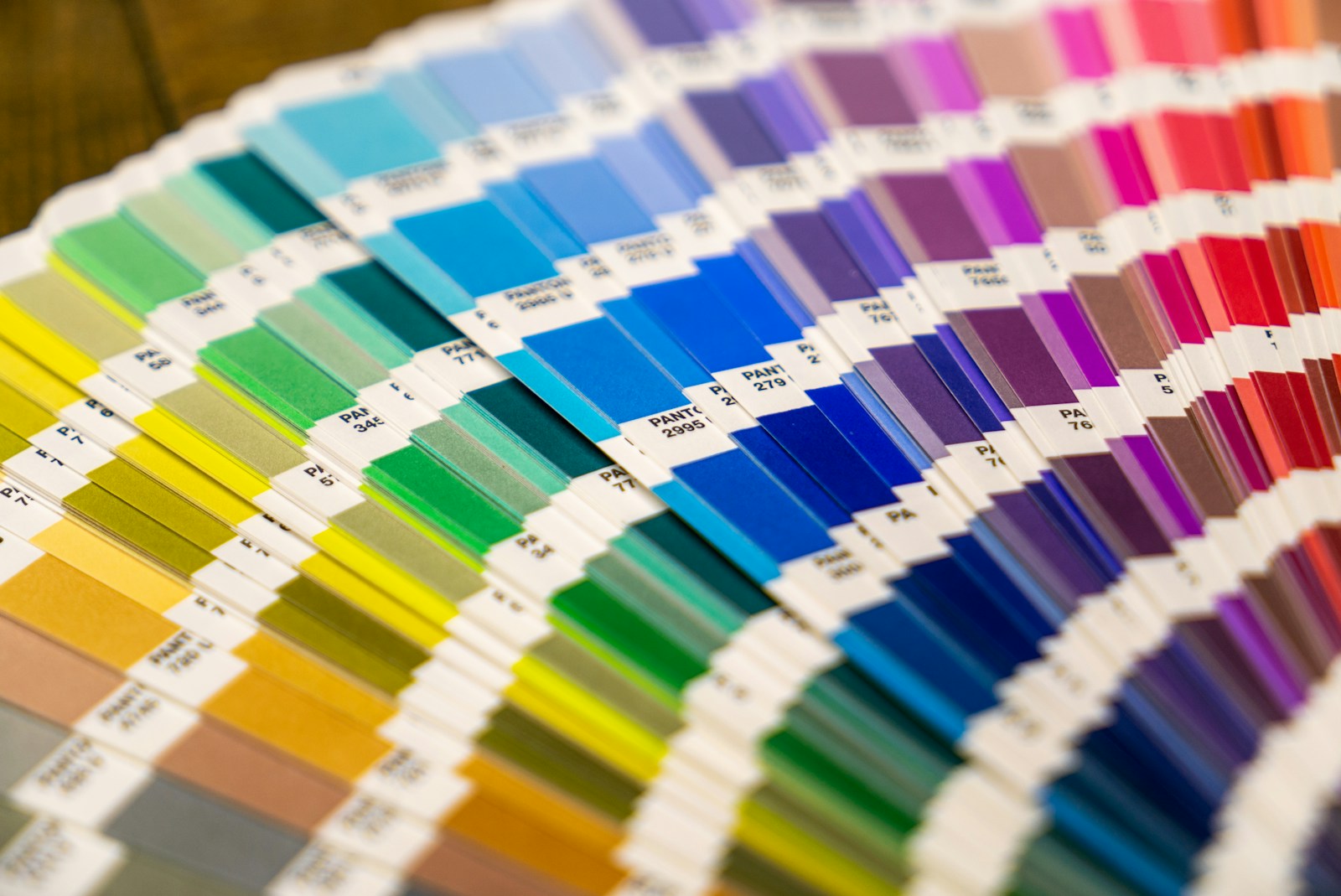
    Colour matching is an important part of good design. When colours work well together, a website, graphic, or room can feel balanced and visually appealing. Designers often use basic colour theory to help choose combinations that look natural and harmonious.

    One popular method is using complementary colours. These are colours that sit opposite each other on the colour wheel, such as blue and orange or red and green. When used correctly, complementary colours create strong contrast and help important elements stand out.

    Another useful approach is analogous colours. These are colours that sit next to each other on the colour wheel, like blue, blue-green, and green. This combination creates a softer and more harmonious look because the colours are closely related.

    Neutral colours such as white, grey, beige, and black are also important when matching colours. They help balance bright colours and prevent a design from looking too busy or overwhelming.

    When choosing colours, it is best to limit the palette to three to five main colours. This keeps the design clean and easy to read. Designers also pay attention to contrast so that text is easy to see against the background.

    By understanding these basic colour matching principles, anyone can create designs that feel more professional and visually pleasing.

  • Cotton

    Cotton

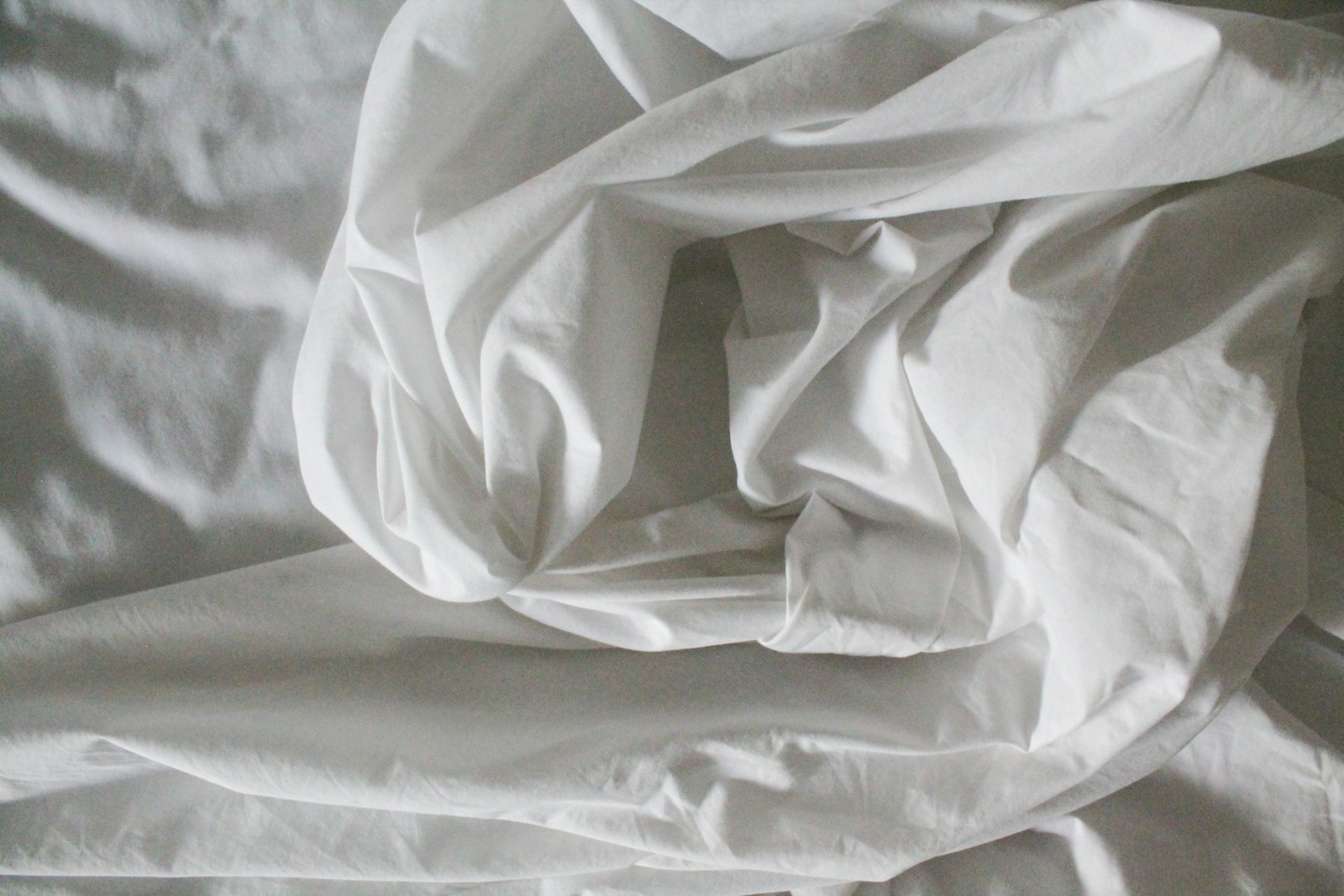
    Cotton fabric is made from fibers that grow around the seeds of the cotton plant. After harvesting, the fibers are cleaned, spun into yarn, and woven or knitted into fabric.

    Cotton is Popular Because it is

    • Soft and comfortable
    • Breathable and lightweight
    • Durable and strong
    • Easy to wash and care for
    • Easy to sew

    History of Cotton

    Cotton has been used to make textiles for thousands of years. Evidence shows cotton fabrics were produced in ancient civilizations in India and the Americas. Today, cotton remains one of the most important textile fibers worldwide.

    Types of Cotton Fabric

    There are many types of cotton fabric used in sewing.

    Cotton poplin – A smooth and lightweight fabric often used for shirts, dresses, and blouses.

    Cotton jersey – A soft knit cotton fabric commonly used for T-shirts and casual clothing.

    Cotton canvas – A strong and heavy cotton fabric used for bags, jackets, and upholstery.

    Cotton muslin – A lightweight cotton fabric often used for sewing practice and pattern testing.

    Cotton denim – Denim is a durable cotton fabric woven in a twill pattern and widely used for jeans and jackets.

    Why sewers love cotton – Cotton is one of the easiest fabrics to work with, especially for beginners.

    Benefits of Cotton Include

    • Easy to cut and handle
    • Holds its shape well
    • Not slippery like silk
    • Presses easily with an iron
    • Available in many prints and colors

    Because of these advantages, cotton is often recommended for first sewing projects.

    Common Uses of Cotton

    • T-shirts and everyday clothing
    • Dresses and skirts
    • Bedding and sheets
    • Quilts and patchwork projects
    • Towels and household textiles
    • Tote bags and accessories

    Its versatility makes cotton one of the most important fabrics in the textile industry.

    Sewing Tips for Cotton Fabric

    Cotton is beginner-friendly, but these tips can help improve your results.

    Use a universal needle – A size 80/12 needle works well for most cotton fabrics.

    Prewash the fabric – Cotton can shrink slightly, so washing it before sewing helps prevent problems later.

    Use standard stitch length – A normal stitch length works well with cotton fabrics.

    Press seams while sewing – Ironing seams as you sew will give your project a cleaner and more professional look.

    • Machine wash with warm or cold water
    • Use regular detergent
    • Tumble dry on low heat
    • Iron if needed
  • Silk

    Silk

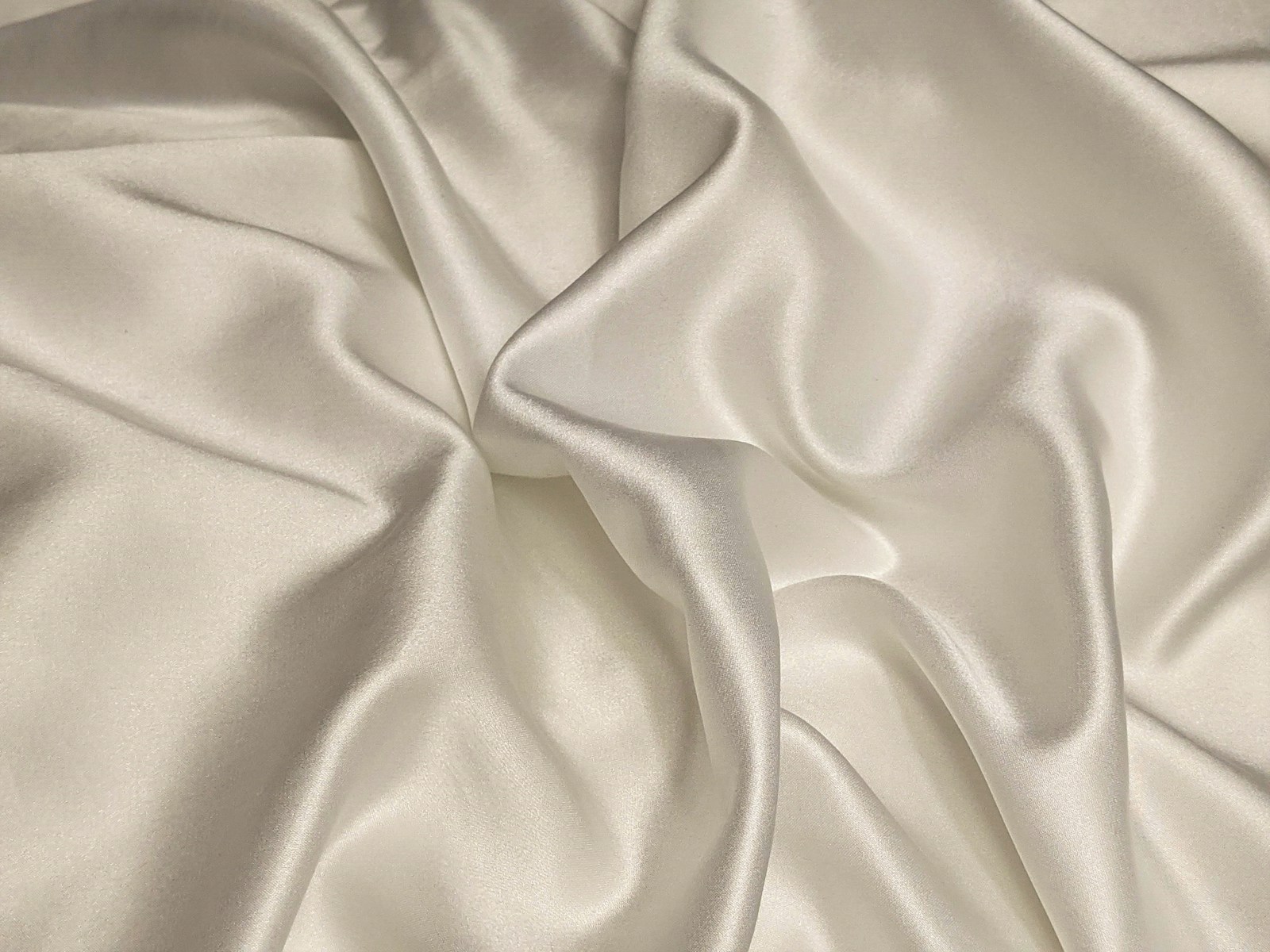
    Silk is one of the most luxurious and elegant fabrics used in sewing and fashion. Known for its smooth texture and natural shine, silk has been valued for thousands of years and is still widely used for high quality clothing and accessories.

    What Is Silk Fabric?

    Silk is a natural protein fiber produced by silkworms when they spin their cocoons. The fibers are carefully unwound and woven into fabric. The most common source of silk comes from the domesticated silkworm Bombyx mori.

    Silk Fabric is prized for its

    • Soft, smooth texture
    • Natural sheen and shine
    • Lightweight feel
    • Breathability and comfort
    • Elegant drape

    Because of these qualities, silk is often used in luxury garments and special occasion clothing.

    Types of Silk Fabric

    There are several types of silk used in sewing and fashion.

    Silk Charmeuse – A soft, smooth silk with a glossy front and matte back. Often used for dresses, blouses, and lingerie.

    Silk Chiffon – A very lightweight and sheer silk fabric. Commonly used for scarves, evening gowns, and layered garments.

    Silk Organza – A crisp, lightweight silk with a slightly stiff texture. Popular for bridal wear and decorative details.

    Silk Dupioni – A textured silk fabric made from uneven threads. Often used for jackets, dresses, and home décor.

    Silk Satin – A smooth and shiny silk fabric with a luxurious feel, commonly used for formal wear.

    The Benefits of Silk

    • Beautiful drape – Garments flow naturally
    • Breathable fabric – Comfortable to wear
    • Temperature regulating – Cool in summer and warm in winter
    • Elegant appearance – Perfect for formal clothing

    Sewing Tips for Silk

    If you plan to sew with silk, a few techniques can make the process easier.

    Use a fine needle – A size 60/8 or 70/10 needle works well for delicate fabrics like silk.

    Choose lightweight thread – Fine polyester or silk thread will create smoother stitches.

    Use sharp fabric scissors – Silk frays easily, so sharp scissors help create clean edges.

    Pin carefully – Use very fine pins to avoid leaving visible holes in the fabric.

    Sew slowly – Because silk is slippery, sewing slowly helps keep the fabric aligned.

    Silk is used in many types of garments and textile products, including

    • Dresses and evening gowns
    • Blouses and shirts
    • Scarves and shawls
    • Lingerie and sleepwear
    • Bridal clothing
    • Luxury bedding

    Its softness and elegance make it one of the most desirable fabrics in fashion.

    Caring for Silk Fabric

    Silk requires gentle care to maintain its quality.

    Basic care tips include

    • Hand wash in cold water or dry clean
    • Use mild detergent
    • Avoid wringing the fabric
    • Air dry away from direct sunlight
    • Iron on low heat if needed

    Tips for Beginners

    Silk can also be more challenging to sew because it is delicate and slippery.
  • Brother

    Brother

    Brother is a Japanese company known for producing affordable, feature rich sewing and embroidery machines.

    Brother Machines Often Include

    • Computerized stitch options
    • Built in embroidery designs
    • LCD screens for easy control
    • Lightweight and portable designs

    LCD Stands For

    Liquid Crystal Display

    In sewing machines, an LCD screen is a small digital display that shows information to help you control the machine.

    What it Shows

    • Selected stitch type
    • Stitch length
    • Stitch width
    • Recommended presser foot
    • Error messages
    • Needle position

    Brother Machines Are Good for

    • Beginners and hobbyists
    • Home sewing projects
    • People interested in embroidery

    Popular Brother Machines Include

    • Brother CS7000X
    • Brother SE600
    • Brother XR9550

    Brother is known for offering many features at a reasonable price.

  • Step 6: Start Your First Sewing Project

    Step 6: Start Your First Sewing Project

    Start Your First Sewing Project

    Your first sewing project should be simple and quick.

    Good Beginner Projects Are

    • Pillow cover
    • Tote bag
    • Simple apron
    • Fabric napkins

    These projects help you practice sewing without complicated patterns.

    Beginner Tip

    Choose cotton fabric for your first project. It is easier to sew than stretchy or slippery fabrics, and you’ll only need to use a straight stitch.

    The most important thing not to forget is to turn your fabric inside out before you start to sew. After all the stitching is done, turn it back inside out in order to hide the stitches.

  • Step 5: Learn Sewing Techniques

    Step 5: Learn Sewing Techniques

    Learn Basic Sewing Techniques

    Once you can sew straight lines, it’s time to learn a few simple techniques.

    Important Techniques to Know

    • Backstitching – Reinforces the start and end of seams
    • this is done by pressing the backwards arrow on your sewing machine while you sew
    • Seam allowance – The space between stitching and fabric edge
    • Pinning fabric – Keeps fabric layers aligned

    Beginner Tip

    Most sewing patterns use a 1.5 cm (⅝ inch) seam allowance, so get used to measuring this distance.

    However, as a beginner, it is easier to work with a 2.0 cm allowance as it’s easier to work with in case you make mistake

  • Step 4: Practice Stitching

    Step 4: Practice Stitching

    Practice Basic Stitches

    Before making clothing or projects, practice sewing straight lines.

    Simple Practice Exercise

    Take a scrap piece of fabric and try sewing

    • Straight lines
    • Curved lines
    • Squares
    • Zigzag stitches

    This helps you learn how to control the fabric and machine speed.

    Beginner Tip

    Focus on guiding the fabric, not pushing it. The machine will move the fabric for you.

    Straight stitches are the easiest and fastest to use, but not advised to use on stretchy fabric as they may break when the fabric is stretched.

Welcome.. to the World of Sewing!